Transitioning From Dentures to Implants: What Is Involved?
Posted on 11/2/2026 by Office at Columbia Dental |
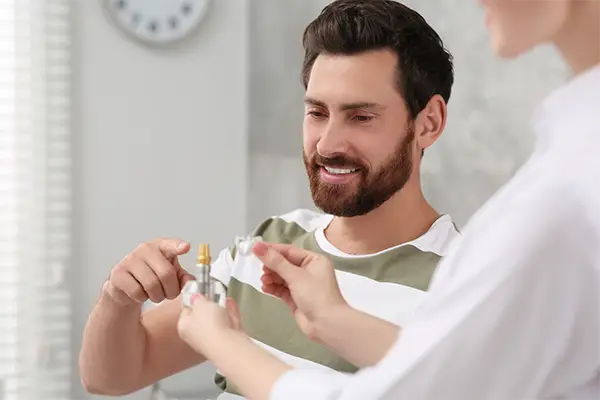 Switching from traditional dentures to dental implants is a significant upgrade in both function and comfort. Many patients who struggle with loose, uncomfortable dentures seek a more stable, long-term solution. Dental implants provide a secure foundation that mimics natural teeth, improving chewing ability, speech, and overall oral health.
Understanding what’s involved in transitioning from dentures to implants can help you make an informed decision and prepare for the process.
Why Patients Choose Implants Over Dentures
While dentures have long been a reliable option for tooth replacement, they come with limitations that implants are designed to overcome. Patients often seek implants for improved stability and a more natural feel.
| • |
Improved Stability - Implants are anchored into the jawbone, eliminating slipping or shifting.
|
| • |
Better Chewing Efficiency - Patients can enjoy a wider range of foods without discomfort.
|
| • |
Enhanced Speech - Implants help prevent slurring or clicking sounds often associated with dentures.
|
| • |
Bone Preservation - Implants stimulate the jawbone, preventing bone loss that occurs with dentures.
|
| • |
Long-Term Solution - With proper care, implants can last decades, unlike dentures that require frequent replacement. |
These advantages make implant-supported restorations a preferred option for those seeking a more permanent and natural-feeling solution.
Types of Implant Solutions for Denture Wearers
Transitioning from dentures doesn’t always mean replacing each tooth individually. Several implant-based solutions are designed specifically for current denture wearers.
| • |
Implant-Supported Dentures - A removable denture that snaps onto implants for added stability.
|
| • |
Implant-Retained Overdentures - Similar to supported dentures but typically use fewer implants for retention.
|
| • |
Full-Arch Fixed Implants - A non-removable set of teeth secured with multiple implants, often referred to as “All-on-4” or similar systems.
|
| • |
Single Tooth Implants - Used when only a few teeth need replacement rather than a full arch. |
Our dental team at Columbia Dental evaluates your oral health, bone density, and goals to determine the best option.
The Step-by-Step Process of Transitioning
Moving from dentures to implants involves several stages, each carefully planned to ensure long-term success.
| 1. |
Initial Consultation and Evaluation - A comprehensive exam including X-rays or 3D imaging to assess bone structure and oral health.
|
| 2. |
Treatment Planning - A customized plan is created based on your needs, including the number of implants and type of restoration.
|
| 3. |
Preparatory Procedures - Bone grafting or extractions may be necessary if the jawbone needs strengthening.
|
| 4. |
Implant Placement Surgery - Titanium posts are surgically inserted into the jawbone to act as artificial tooth roots.
|
| 5. |
Healing and Osseointegration - The implants fuse with the bone over several months, creating a stable foundation.
|
| 6. |
Final Restoration Placement - A custom denture or fixed prosthetic is attached to the implants. |
Each phase is essential for ensuring durability, comfort, and a natural appearance.
Recovery and Adjustment Period
After implant placement, the body requires time to heal and integrate the implants. This phase, known as osseointegration, is critical for long-term success.
Patients transitioning from dentures may notice immediate improvements in stability, even with temporary restorations. Mild swelling, discomfort, or dietary adjustments are common during the initial healing period.
Over time, most patients report a significant improvement in daily comfort and confidence compared to traditional dentures.
Cost and Long-Term Value
While dental implants typically involve a higher upfront investment than dentures, they often provide greater value over time. Dentures may require relining, adjustments, or replacement, while implants are designed for long-term durability.
Factors influencing cost include:
| • |
Number of Implants Needed - Full-arch restorations require more implants than partial solutions.
|
| • |
Bone Grafting Procedures - Additional treatments can increase overall cost.
|
| • |
Type of Restoration - Fixed solutions generally cost more than removable options.
|
| • |
Material Quality - High-quality materials offer better aesthetics and longevity. |
Many patients find that the improved quality of life and reduced maintenance make implants a worthwhile investment.
Who Is a Good Candidate for Dental Implants?
Not every denture wearer is immediately eligible for implants, but many can become candidates with proper preparation.
Ideal candidates typically have:
| • |
Sufficient Jawbone Density - Necessary to support the implants securely.
|
| • |
Healthy Gums - Free from advanced periodontal disease.
|
| • |
Good Overall Health - Conditions like uncontrolled diabetes may affect healing.
|
| • |
Commitment to Oral Hygiene - Proper care is essential for implant longevity. |
Even if bone loss has occurred due to long-term denture use, procedures like bone grafting can often make implants possible.
FAQs
Can I switch from dentures to implants after many years?
Yes, many long-term denture wearers successfully transition to dental implants. However, bone loss may have occurred, so additional procedures like bone grafting may be required to support the implants.
How long does the transition process take?
The full process can take several months, depending on healing time and whether preparatory procedures are needed. Osseointegration alone may take three to six months before the final restoration is placed.
Are implant-supported dentures removable?
Some implant-supported dentures are removable, while others are fixed in place. The choice depends on your treatment plan and personal preferences.
Is the implant procedure painful?
The procedure is typically performed under local anesthesia or sedation, making it comfortable for most patients. Mild discomfort during recovery is normal and manageable with prescribed care. |
|